Summer may be officially winding down, but that doesn’t mean we have to put the tiki cocktails away. Tiki is a year-round indulgence, and I think a tropical escape sounds even better when the weather starts getting cooler.
Something that originally drew me to cocktails was the way you can trace history through the drinks people created and enjoyed throughout the ages. Popular cocktails can offer a glimpse into what was happening in the world at the time. In a way, it’s a history lesson, just a much more fun one!
Brief History of Tiki
Tiki culture made its way onto the American cocktail scene in the 1930s, drawing inspiration from romanticized versions of Polynesian and other Pacific Island cultures. Think tropical flavors, elaborate décor, and plenty of escapism. But much of what we now think of as “tiki” was filtered through an American lens and didn’t necessarily reflect the cultures that inspired it.
The movement is most closely associated with Don the Beachcomber, a bar and restaurant opened by Ernest Raymond Beaumont Gantt, or Donn Beach, in Hollywood in 1933. The bar featured bamboo architecture, tropical decor, and rum-based cocktails made with fresh fruit juices and a variety of spices and liqueurs. Donn Beach helped establish many of the techniques and flavor combinations that would go on to define tiki cocktails. Two of the drinks associated with his bar are the famous Zombie and Navy Grog.
Just a year later, Trader Vic’s opened in Oakland, California. Founded by Victor Bergeron, the restaurant and bar put its own spin on the tropical escape that was taking shape, eventually becoming one of the biggest names in tiki culture. Trader Vic’s also claims to be the birthplace of the Mai Tai, a cocktail that would become one of the drinks most closely associated with tiki.
Throughout the 1940s and 1950s, tiki boomed across the country to provide a fantasy escape from the world outside. With WWII and its aftermath shaping everyday life, the opportunity to step into a tropical environment, enjoy an elaborate cocktail, and let loose for a few hours had its obvious appeal.
By the late 1960s and 1970s, tiki’s popularity began to decline as escapism wasn’t as appealing, and tastes shifted towards modernism and other styles of cocktail culture. However, tiki never completely disappeared. A renewed interest in classic cocktails during the 1990s and 2000s helped bring tiki back into the spotlight, and its elaborate presentation, bold flavors, and creative techniques continue to make it popular today.
What Defines a Tiki Cocktail?
There isn’t a strict formula for a tiki cocktail, but complexity is its specialty. Rum is the most common base spirit, usually using a combination of different rums to create layers of flavor. Other spirits, including bourbon and gin, can also find their place in tiki-inspired cocktails.
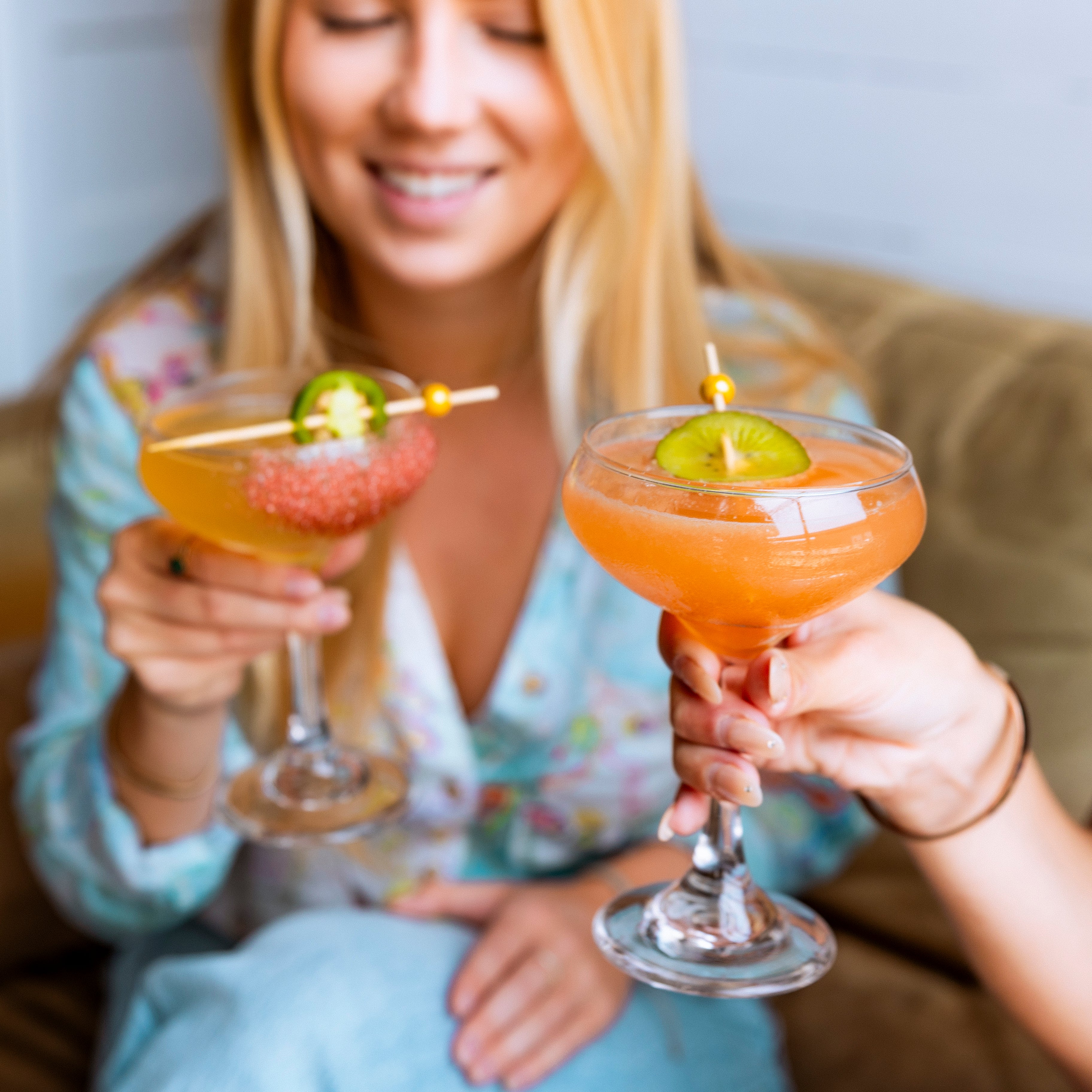
No wonder these cocktails were so popular. When done well, a tiki cocktail is a flavor bomb. Fresh citrus and tropical fruit juices provide acidity and natural sweetness while liqueurs, syrups, herbs, and spices add depth and warmth. Many tiki cocktails are served over crushed ice, and chills the drink quickly and allows for additional dilution as the ice melts. With so many bold ingredients working together, a little water helps balance the flavors. Elaborate garnishes are another defining feature of tiki, turning the cocktail into a visual experience as well as a flavorful one.
The Siren’s Grog
My personal favorite tiki cocktail I've created is called the Siren’s Grog.
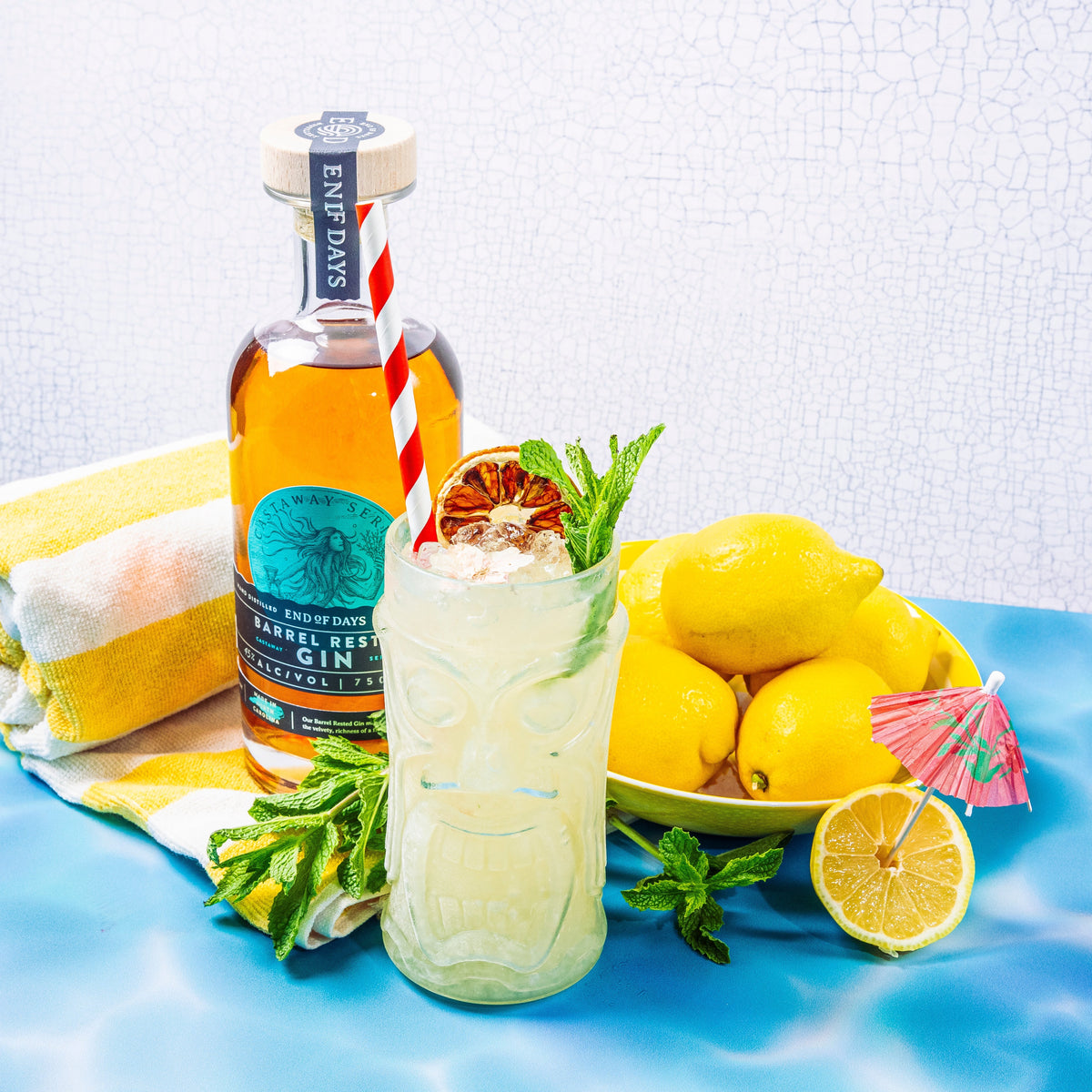
The Siren’s Grog is my take on a classic tiki cocktail, swapping the traditional rum base for Barrel Rested Gin. Bright citrus and fresh mint meet creamy almond orgeat, warm spice, and orange, while the gin’s botanical character and notes of vanilla and oak add depth.
Served over crushed ice with a touch of sparkling water, it’s layered, refreshing, aromatic, and full of bold tropical-inspired flavor.
Why did I choose this combination of ingredients and how do they work together? Let’s break it down.
Building the Cocktail
Fresh Mint
To build this cocktail, we begin with muddling mint into the shaker with lemon juice. Press lightly into the mint with your muddler to release its aromatic oil without aggressively tearing or bruising the leaves.
Mint is the star of the show in this cocktail. It adds a nice fresh flavor and a bright aromatic element that integrates the other ingredients well.
Fresh Lemon Juice
Into the shaker with the mint, add 1 ounce of freshly squeezed lemon juice.
The lemon provides the acidity needed to balance the richer flavors of this cocktail. Without enough acidity, the liqueurs and almond orgeat could make the drink feel heavy or overly sweet.
Freshly squeezed lemon juice provides a brighter, more vibrant acidity than bottled juice, making it important in a cocktail where citrus plays such an important role.
Homemade Almond Orgeat
Almond orgeat is a sweet, creamy, nutty blend of almond, sugar, and orange blossom and rose water. This ingredient is fairly common in tiki cocktails such as the Mai Tai.
For this version, we use almond milk, white sugar, almond extract, orange blossom water, and rose water.
How to make Almond Orgeat
Ingredients:
- ½ cup unsweetened almond milk
- ¾ cup white sugar
- 1 tsp almond extract
- ¼ tsp orange blossom water
- ¼ tsp rose water
Method:
Add all the ingredients to a container with high walls.
If you have an immersion blender, blend the mixture until the sugar has dissolved. If you do not have an immersion blender, no worries! Add the ingredients into a tightly sealed container and shake well until the sugar dissolves.
That’s it! There’s no need to heat up the mixture. The sugar dissolves relatively easily.
The finished product is quite sweet, which is exactly what we want. Its richness and sweetness allow us to use a smaller amount in the cocktail while still providing plenty of flavor and body.
Once your almond orgeat is ready, add 1 ounce to the shaker with the lemon juice and muddled mint.
Velvet Falernum Liqueur
To bring out the warm spice of a traditional tiki cocktail, we use Velvet Falernum. Velvet Falernum is a Caribbean rum-based liqueur that contains flavors of ginger, lime, almond, cloves, and allspice. This addition just brings a touch of spice and depth to the finished product without overpowering the botanical character of the gin. Add ½ ounce into your shaker.
Dry Curaçao
Next, we add ½ ounce of dry curaçao into the shaker.
Dry curaçao is an orange liqueur that is made from brandy and cognac. Compared with many triple secs, dry curaçao is more complex and less overtly sweet, making it a useful ingredient when you want orange flavor without adding too much additional sweetness.

Barrel Rested Gin
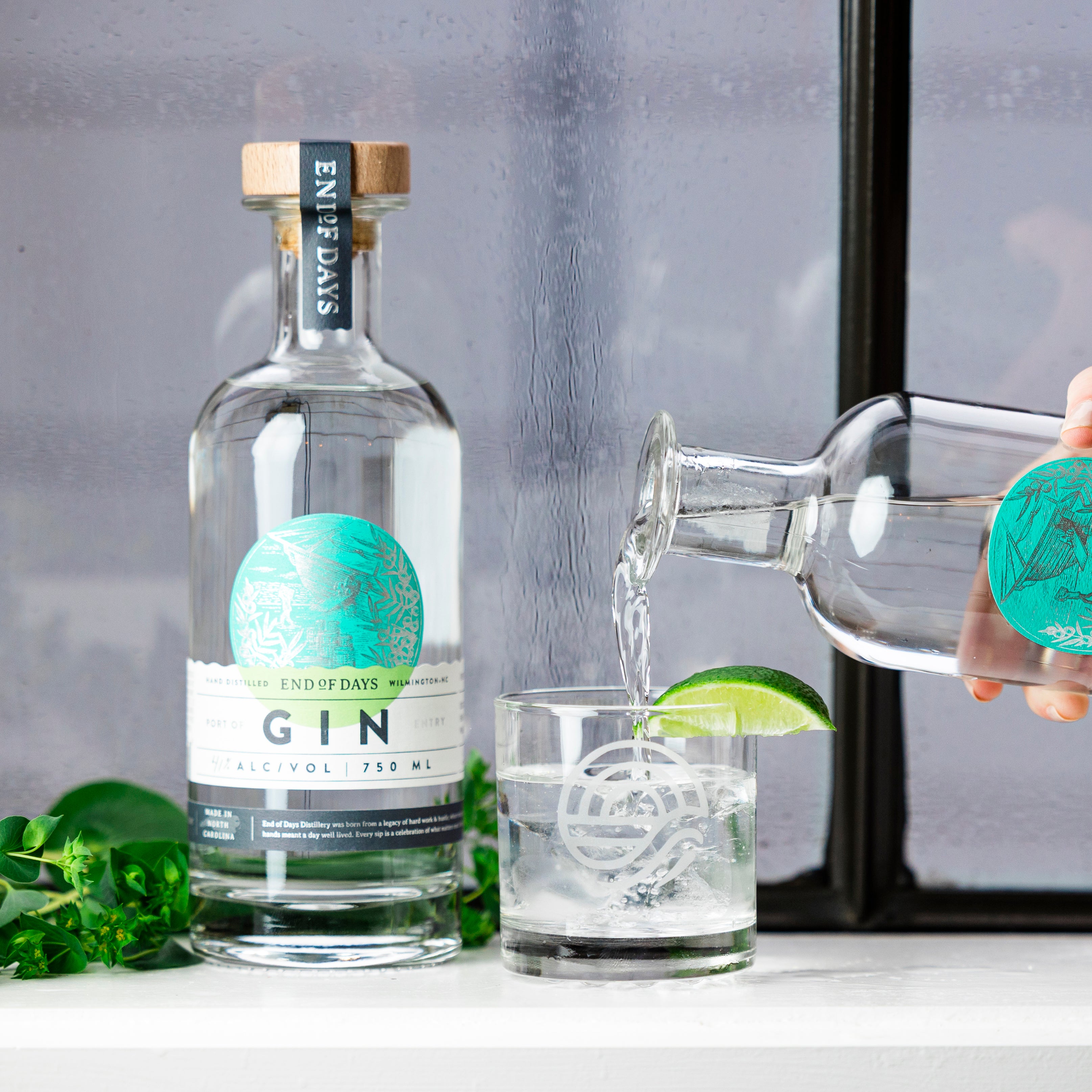
Finally, add 2 ounces of Barrel Rested Gin into your shaker.
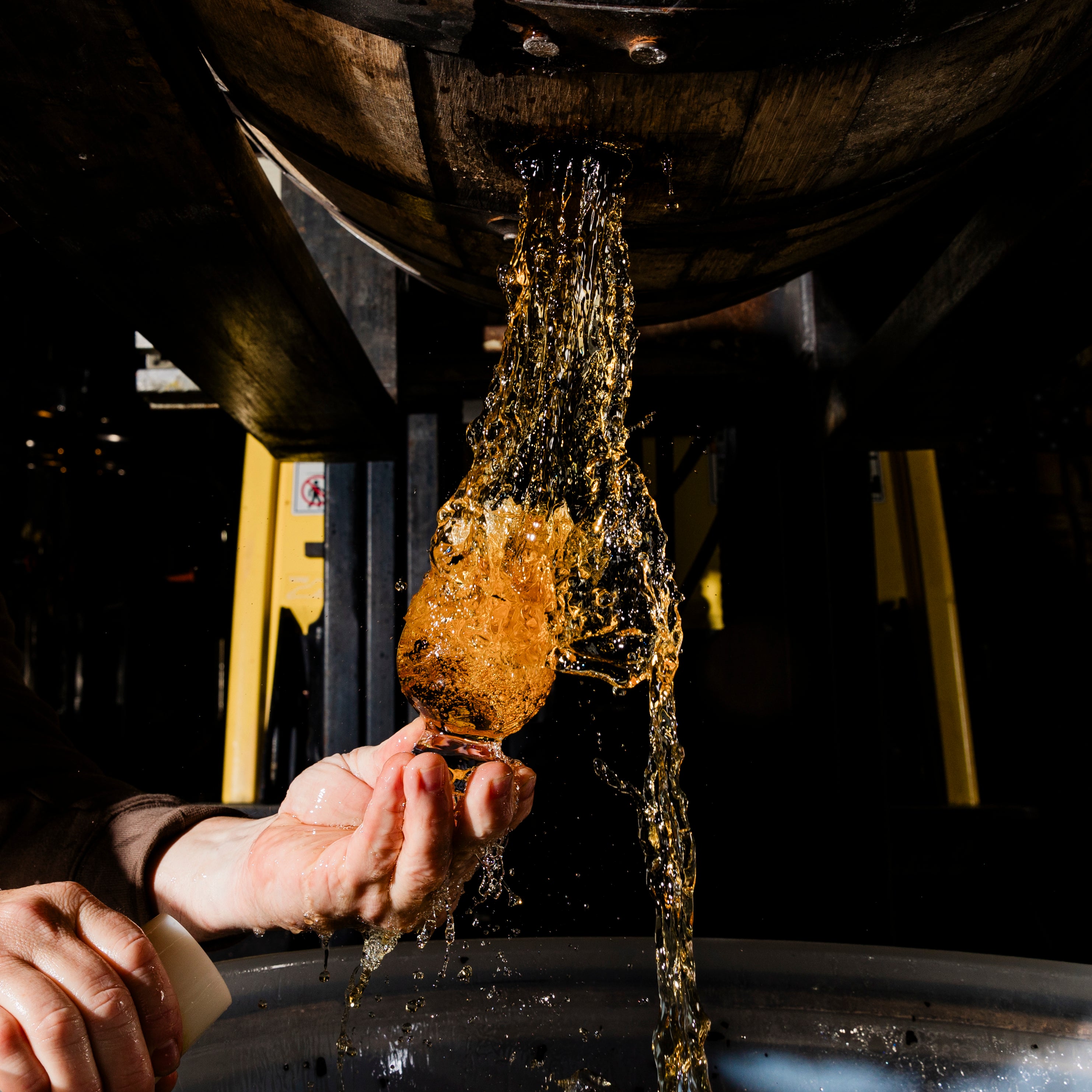
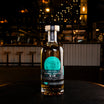
This cocktail uses Castaway Barrel Rested Gin as the base to bring together the bright, botanical character of gin with warmer notes of vanilla and oak from the barrel.
I opted for Barrel Rested Gin instead of rum because I wanted to create a cocktail that felt different from a traditional tiki-style cocktail while still capturing the depth and complexity that makes tiki cocktails so compelling. The Barrel Rested Gin brings the warmth and richness you might expect from an aged rum, while the 14 botanicals in the gin add an entirely new layer of complexity that works beautifully with the mint, citrus, floral notes, and warming spices in the cocktail.
Shaking, Dilution, and Ice
Once all of your ingredients are in the shaker, add ice and give everything a light shake.
The goal is to combine and chill the ingredients while introducing some aeration and a controlled amount of dilution. Since the cocktail will be served over crushed ice, we don’t want to add more dilution than necessary during the shake.
Strain the cocktail into a tiki glass filled with crushed ice, then top it with a splash of sparkling water.
Crushed ice plays an important role here. Since it has more surface area than larger ice cubes, it melts more quickly and provides additional dilution as you drink. That helps soften the intensity of the cocktail and allows the flavors to evolve over time. This is the whole idea around crushed ice. Yes, it looks pretty! But it also serves a functional purpose.

The Finishing Touch
To finish, take a nice, big sprig of fresh mint and slap it in between your hands. This action releases the oils of the mint without breaking the leaves and keeping it intact. Place the mint on top of the crushed ice.
Now, when you go to take a sip, you get a burst of fresh mint aroma before you even take your first sip.
Now, finish it with a large edible flower for an extra touch of beauty and that classic tiki extravagance that defines this style of cocktail.
Final Thoughts
What I love about cocktails is that there’s always another direction to explore. A cocktail can carry a piece of history, borrow from a tradition, or completely reinterpret an idea, and there are still infinite possibilities to make it your own.
The Siren’s Grog started with a simple question: what would a tiki cocktail look like if gin took center stage? The answer turned into a cocktail that brings together bright citrus, warming spice, creamy almond, fresh herbs, and the deeper oak notes of Barrel Rested Gin.
Maybe that’s what keeps me coming back to cocktails. There is no shortage of classics to learn from, but there’s always an opportunity to ask, “What if?” And sometimes, that question leads to a pretty great drink.
Almond Orgeat Recipe
Ingredients
- ½ cup unsweetened almond milk
- ¾ cup white sugar
- 1 tsp almond extract
- ¼ tsp orange blossom water
- ¼ tsp rose water
Method
- Add all ingredients into a container with tall walls.
- If you have an immersion blender, blend the mixture until the sugar is dissolved.
- If you do not have an immersion blender, add the ingredients into a tightly sealed container and shake hard until the sugar is dissolved.